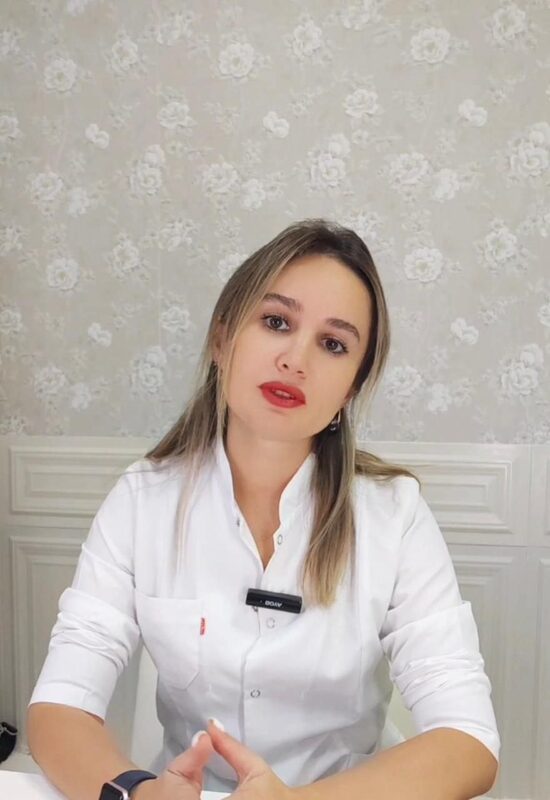
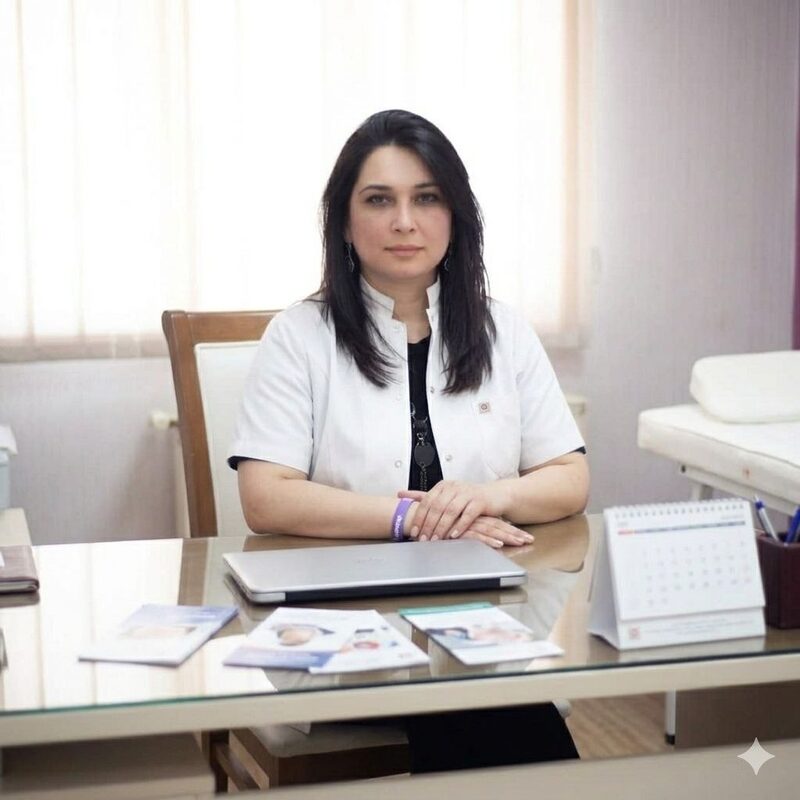
Elvira Zakiyeva
Cosmetologist (MD)
15+ years' experience
2008 · Azerbaijan Medical University · +1 cert.
Languages: Russian, Azerbaijani
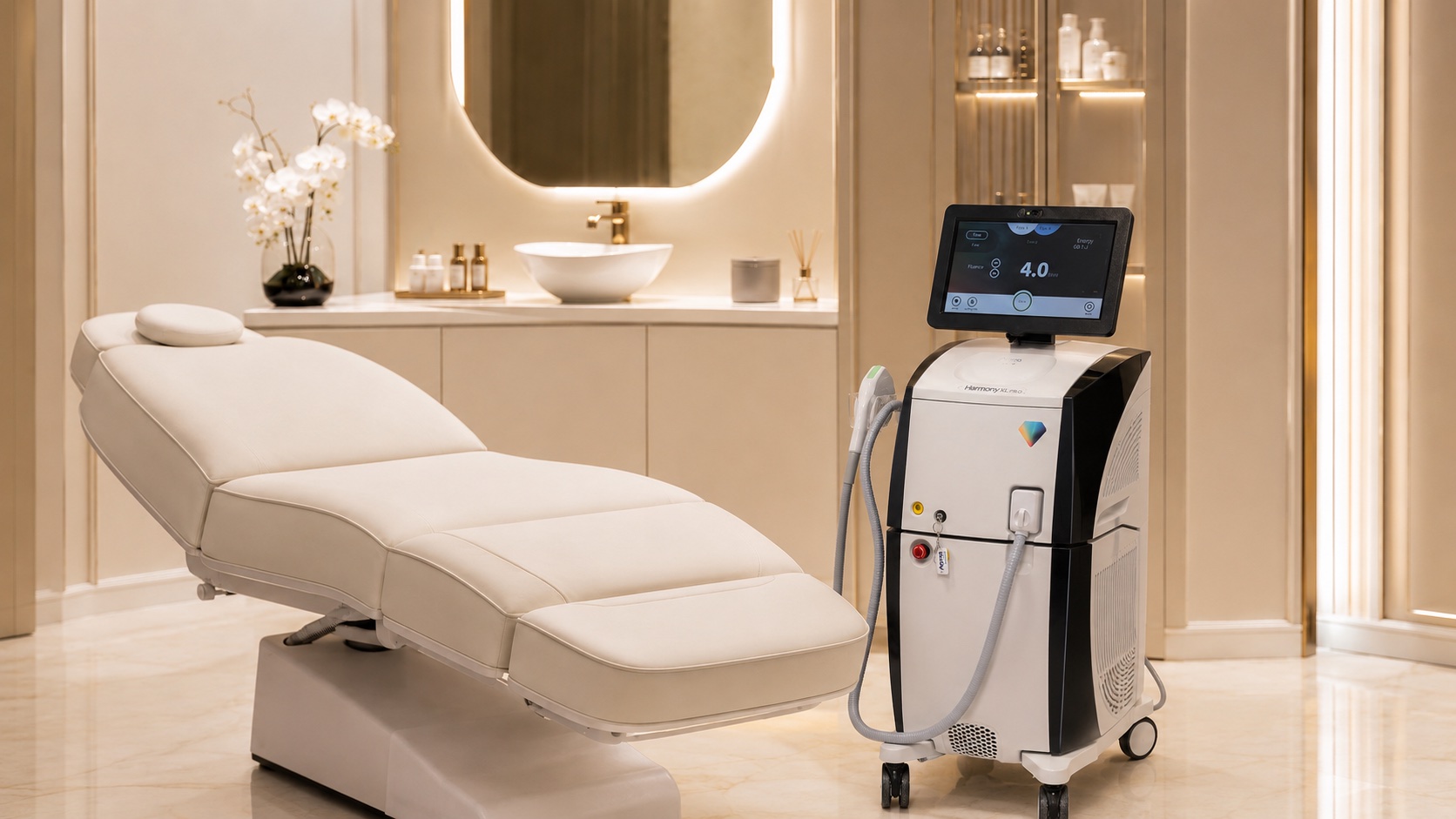
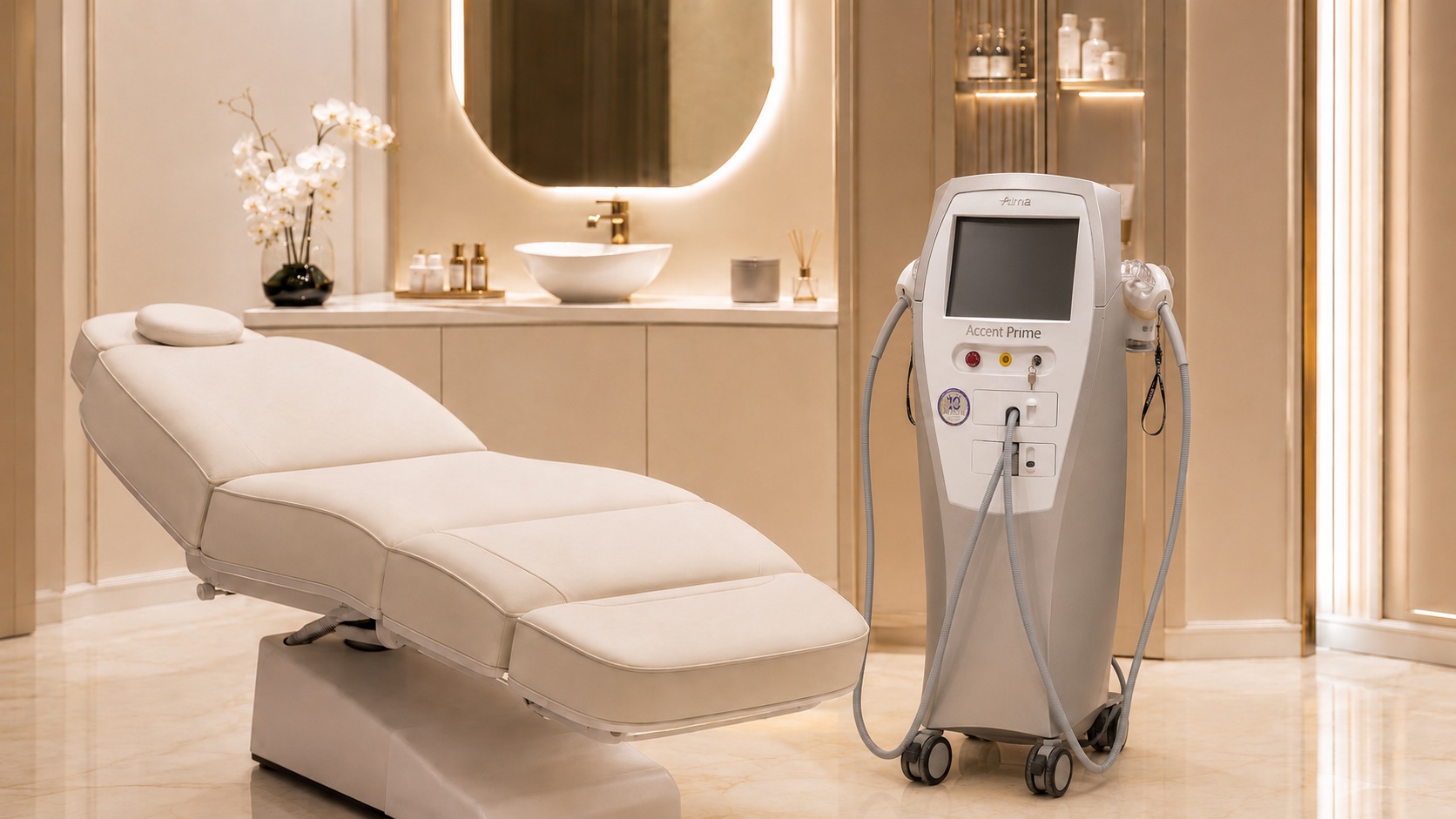
PicoSure (Cynosure) and PicoWay (Candela) are picosecond lasers for tattoo and pigment removal. At Paramed we use Alma Harmony XL Pro with a Q-Switched Nd:YAG handpiece (nanosecond mode) for these tasks.
Leave your contact details, and our specialist will contact you for a consultation and booking.
By clicking 'Send', you consent to the processing of personal data in accordance with our privacy policy.
Picosecond lasers — PicoSure (Cynosure), PicoWay (Candela), Picocare, Discovery Pico (Quanta) — deliver pulses in the picosecond range (10⁻¹² s). They are effective for multi-color tattoos, permanent makeup and stubborn pigment. In Baku they're searched as "pico laser tattoo removal", "PicoSure price", "PicoWay Baku". At Paramed we don't use picosecond lasers as standalone platforms — for tattoo, permanent makeup and pigmentation removal we use Alma Harmony XL Pro with a Q-Switched Nd:YAG handpiece (nanosecond mode). Pico and Q-Switched share a similar principle (photomechanical fragmentation of pigment particles), but pulse duration differs. Contraindications apply.
At the consultation the doctor assesses: size, colors, pigment depth and density, skin type (phototype), scarring, tattoo age (older fades easier), professional vs amateur. The Harmony Q-Switched protocol is set accordingly: wavelength, power, pass count. If you've had several sessions elsewhere (including a pico laser) without complete clearance, bring before/after photos — they help assess residual pigment.
Q-Switched Nd:YAG works at two wavelengths: 1064 nm (black and blue inks) and 532 nm (red, orange, yellow). Pulse duration is a few nanoseconds (10⁻⁹ s). This heats pigment particles and fragments them photomechanically. Picosecond lasers (PicoSure, PicoWay) operate at comparable wavelengths (755 nm on PicoSure, 532/1064 nm on PicoWay) with pulses 100–1000× shorter. That delivers more mechanical, less thermal fragmentation, and works better on stubborn, light and multicolor tattoos. Q-Switched is time-tested and effective for most tasks with the right protocol; pico is a premium segment that noticeably reduces session count on complex cases.
No — we don't use standalone picosecond lasers (PicoSure by Cynosure, PicoWay by Candela). For tattoo, permanent makeup and pigmentation removal at Paramed we use Alma Harmony XL Pro with the Q-Switched Nd:YAG handpiece (nanosecond mode, 1064 / 532 nm).
Not always. For black and blue tattoos on light skin, Q-Switched Nd:YAG works effectively. Pico has an advantage in complex cases: multicolor tattoos, stubborn light inks, professional tattoos with deep pigment. For most tasks, Q-Switched delivers good results at a reasonable price.
Usually 5–10 sessions at 6–8 week intervals. Exact count depends on size, color palette, pigment depth, tattoo age and pigment quality. Pico may reduce session count in complex cases.
Yes, but red/yellow/orange are removed with the 532 nm wavelength (requires more energy), and green and light blue are the hardest for any nano laser. For very complex multicolor tattoos a pico laser may be more efficient, but Q-Switched will still get results across more sessions.
Sensation is comparable to a light rubber band snap. Cooling and topical anesthesia (if needed) are applied. Sessions are short — typically 5–30 minutes depending on tattoo size.
With the right protocol, scar risk is minimal. Old superficial tattoos can leave a temporary hypopigmented patch (fades over 3–12 months). Deep tattoos from non-professional artists may carry higher risk — assessed at consultation.
Yes — partial fading before a cover-up is a common task. Usually 2–4 sessions for quality cover-up preparation.
If you've been weighing pico laser vs Q-Switched — come in. We'll assess the tattoo and give a realistic course plan and pricing.
Book a consultation →Tattoo removal course: usually 5–10 sessions at 6–8 week intervals. Black tattoos on light skin — closer to 5–7; multicolor and old — 8–12+. Permanent makeup — 3–6 sessions. Pigment spots — 2–5 sessions. Results develop gradually: pigment is cleared by macrophages over 4–8 weeks after each session.
Certified specialists at Paramed
Cosmetologist (MD)
15+ years' experience
2008 · Azerbaijan Medical University · +1 cert.
Languages: Russian, Azerbaijani
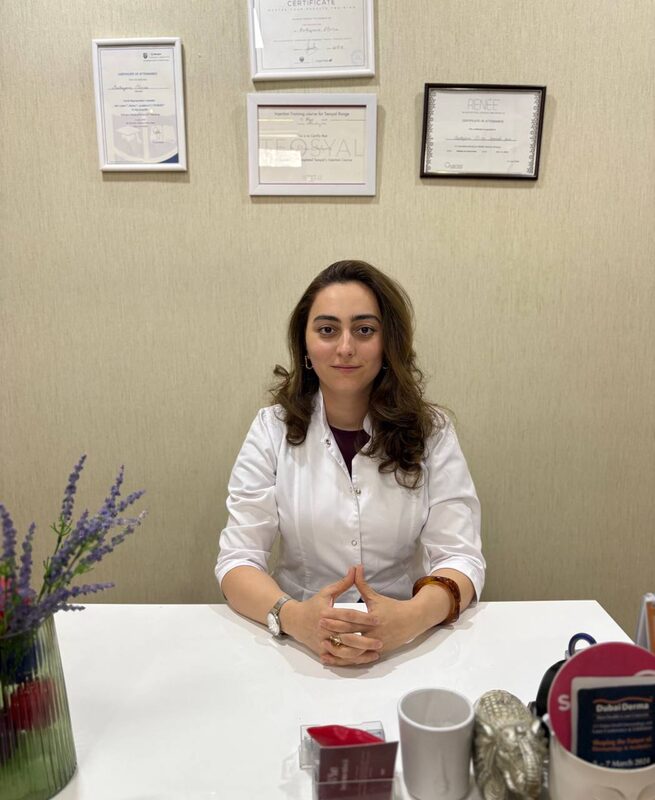
Cosmetologist (MD)
2009 · Tashkent Medical Academy · +2 cert.
Languages: Russian, Azerbaijani
Cosmetologist (MD)
27+ years' experience
1997 · Azerbaijan Medical University · +1 cert.
Languages: Russian, Azerbaijani