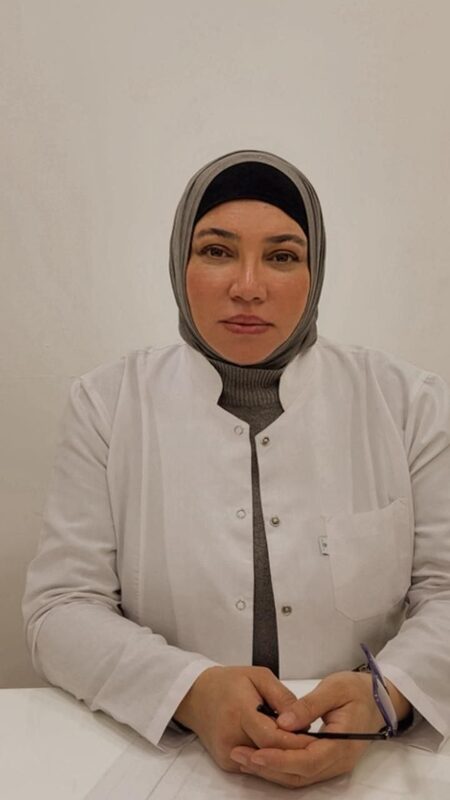
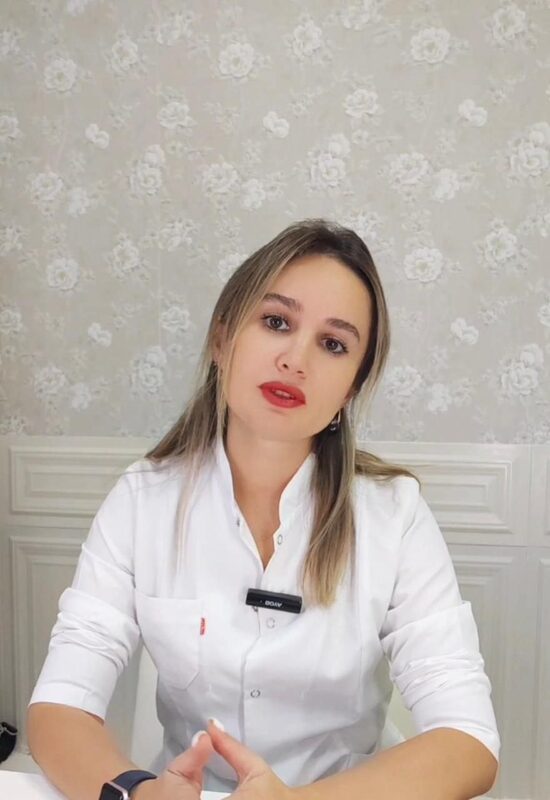
Rena Nasibova
Cosmetologist (MD)
25+ years' experience
1999 · Azerbaijan Medical University · +1 cert.
Languages: Russian, Azerbaijani
Leave your contact details, and our specialist will contact you for a consultation and booking.
By clicking 'Send', you consent to the processing of personal data in accordance with our privacy policy.
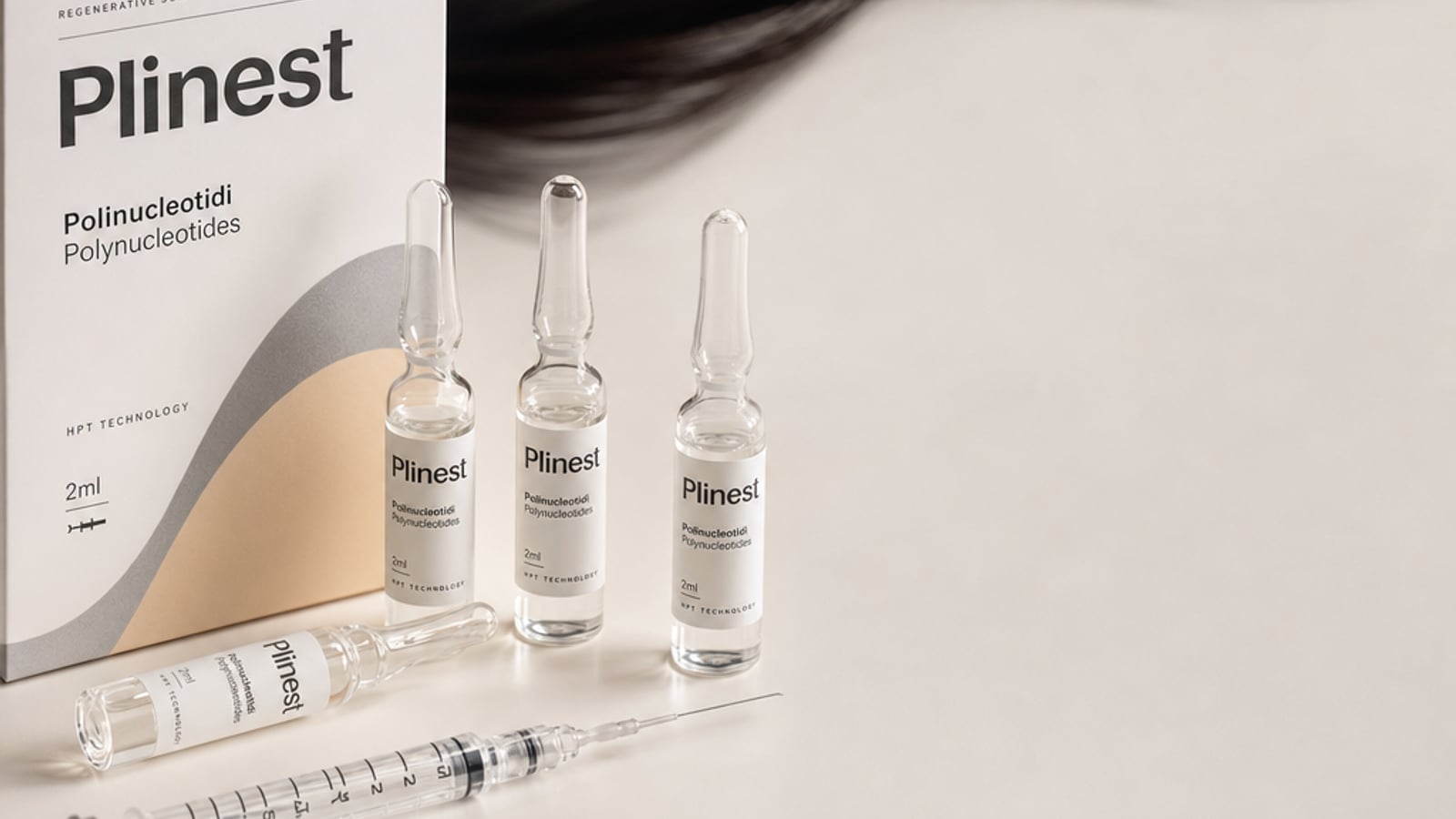
Postpartum hair loss (telogen effluvium) is a natural reaction to the sharp decline in estrogen levels after childbirth. It typically begins 2–4 months postpartum and lasts for 6–12 months. For some women, hair density returns slowly—especially in cases of iron, ferritin, or vitamin D deficiency, breastfeeding, and chronic sleep deprivation. Polynucleotides are a delicate tool: they do not 'push' dormant follicles like powerful stimulants but improve the 'soil'—microcirculation, scalp dermis density, and reduce inflammation. This is especially important after childbirth when the body is recovering. PhilArt SCALP is a Korean PDRN specifically certified for the scalp. At Paramed, the program is tailored considering the lactation period and tests for iron/ferritin/vitamin D.
During the consultation, the trichologist performs trichoscopy, assesses density and the phase of hair loss, and may refer for tests (ferritin, vitamin D, TSH) if necessary. PhilArt SCALP or Plinest is injected with a fine needle into the scalp at specific points. The session lasts 30–45 minutes, without anesthesia or with cooling. The course consists of 3–4 procedures with intervals of 2–3 weeks.
It is generally recommended to complete breastfeeding before starting the course—there is insufficient safety data for lactation. In some cases, the doctor may allow the procedure based on individual indications.
PDRN is gentler and does not require blood collection—more convenient during the recovery period after childbirth. PRP has a higher concentration of growth factors but requires blood collection and may be uncomfortable immediately after childbirth. They are often combined.
Reduction in hair loss—after 1–2 sessions. Visible thickening and growth of 'baby hairs'—within 2–3 months.
After completing lactation, usually 4–6 months postpartum, when hormonal levels stabilize. The exact date is determined during the consultation.
It is advisable: ferritin, vitamin D, TSH. Deficiencies are the main reason why density does not recover on its own. PDRN enhances the effect of correcting deficiencies.
Schedule a trichoscopy at Paramed—we will select a gentle density recovery program after childbirth with PhilArt SCALP or Plinest.
Certified specialists at Paramed
Cosmetologist (MD)
25+ years' experience
1999 · Azerbaijan Medical University · +1 cert.
Languages: Russian, Azerbaijani
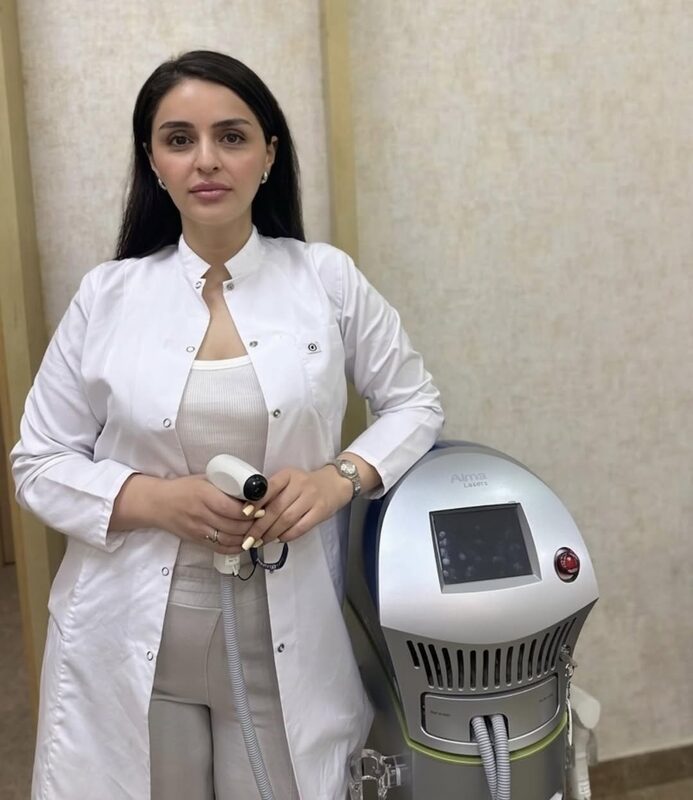
Dermatologist (MD)
2017 · Donetsk National Medical University · +1 cert.
Languages: Russian, Azerbaijani
Cosmetologist (MD)
15+ years' experience
2008 · Azerbaijan Medical University · +1 cert.
Languages: Russian, Azerbaijani