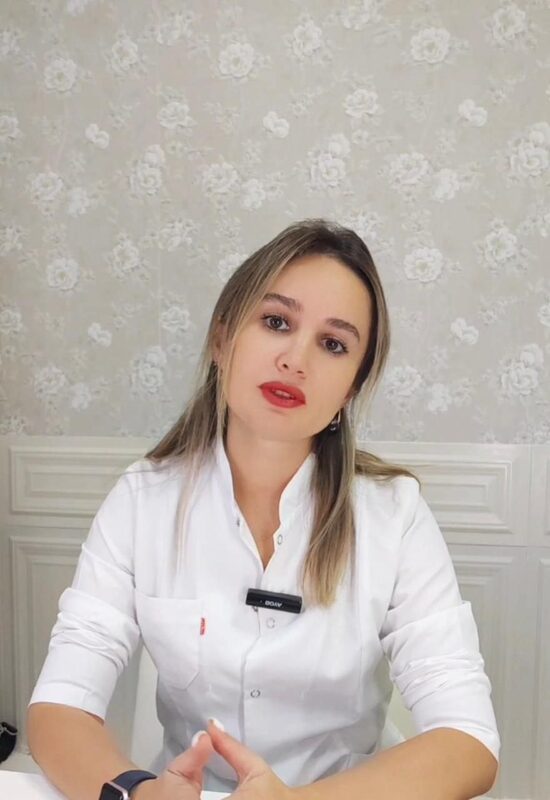
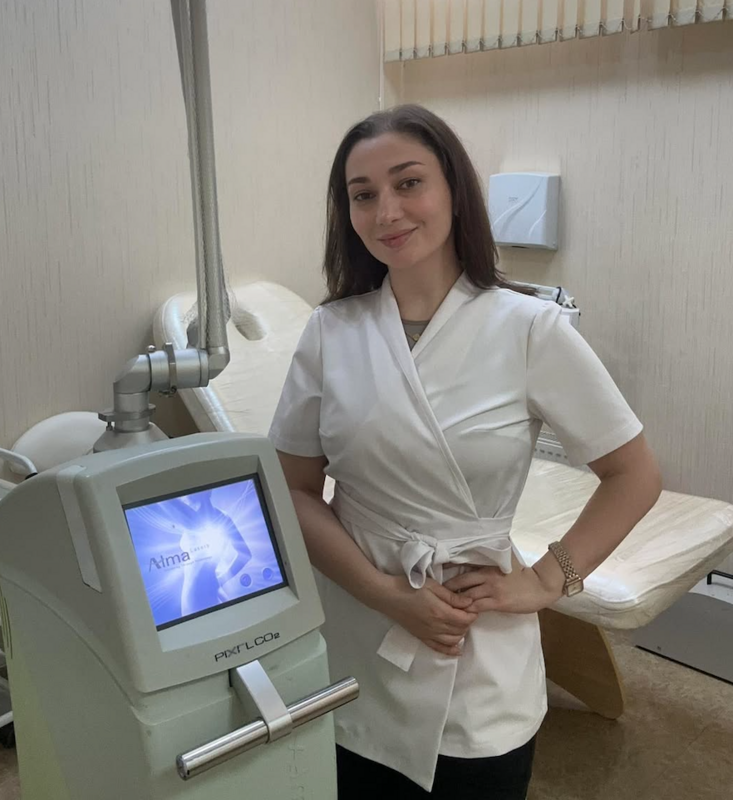
Elvira Zakiyeva
Cosmetologist (MD)
15+ years' experience
2008 · Azerbaijan Medical University · +1 cert.
Languages: Russian, Azerbaijani
PCOS (polycystic ovary syndrome) and hirsutism (excessive male-pattern hair growth in women) are common reasons to seek laser hair removal. Laser helps, but understand: the hormonal factor extends the course, and without endocrine correction laser works as maintenance rather than a final solution.
Leave your contact details, and our specialist will contact you for a consultation and booking.
By clicking 'Send', you consent to the processing of personal data in accordance with our privacy policy.
Laser hair removal works with PCOS and hirsutism, but with caveats: 1) the active hormonal background constantly stimulates new hair from "dormant" follicles — the course extends to 10–15+ sessions rather than the usual 5–8; 2) maintenance sessions are needed 1–2 times a year, lifelong or while hormonal imbalance persists; 3) without endocrine correction (if hirsutism is idiopathic or PCOS-related), laser works on current hair but doesn't prevent new follicles activating; 4) typical areas are face (chin, cheeks, upper lip), chest, abdomen, buttocks. At Paramed we build the protocol with this in mind. Contraindications apply.
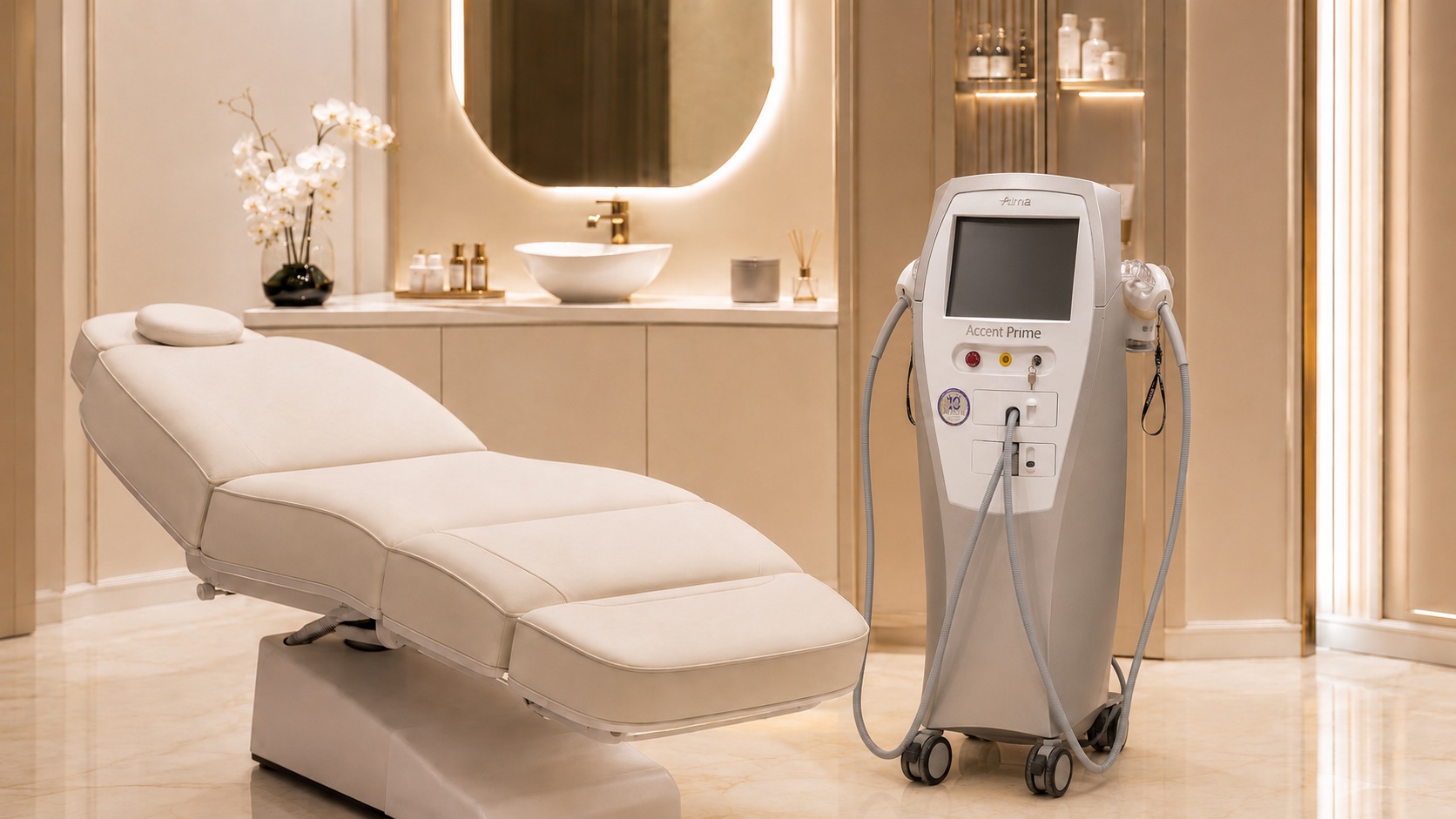
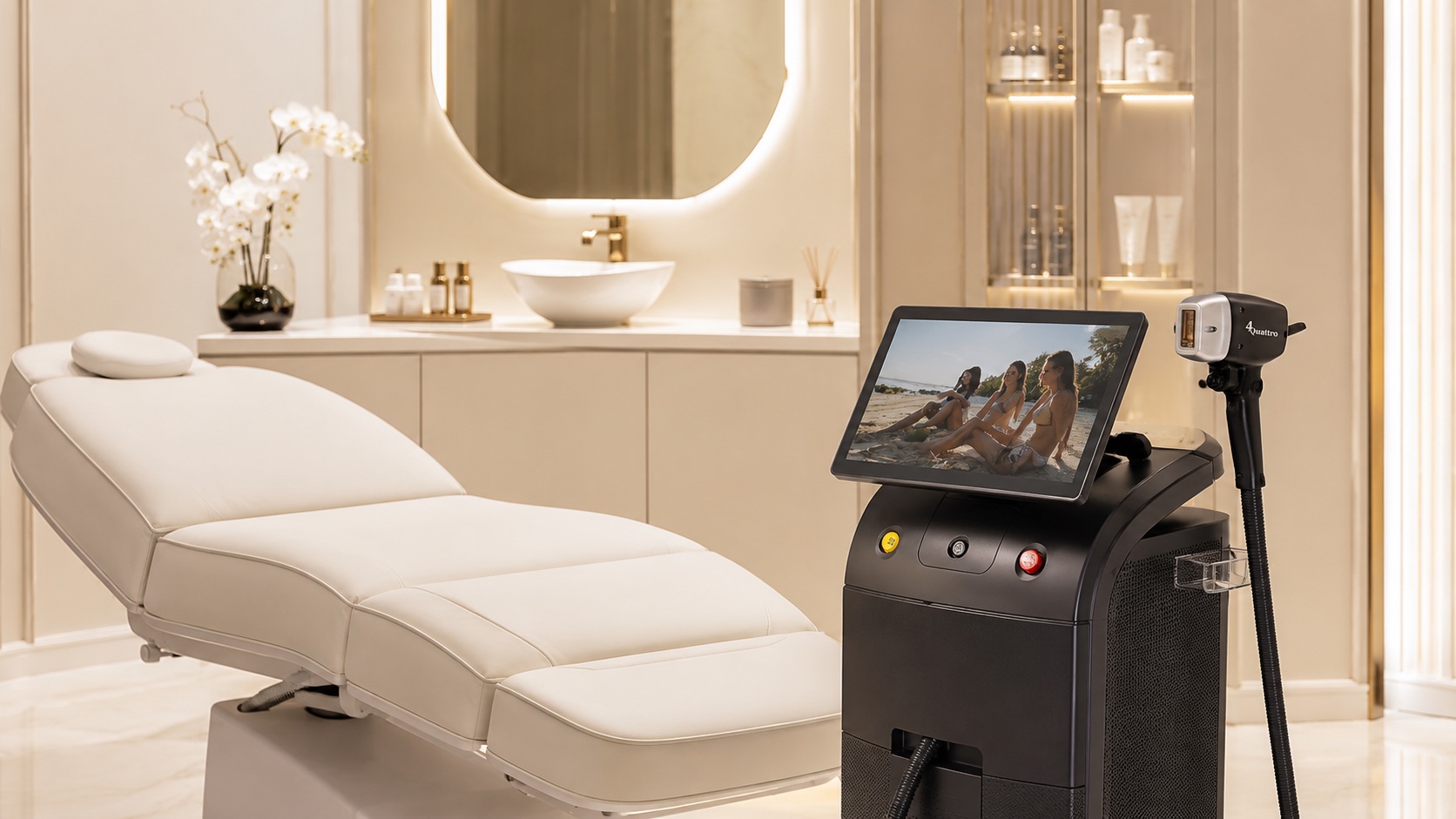
Paramed uses original Soprano ICE, Platinum and Titanium platforms by Alma Lasers (Israel), with original handpieces and safety-first protocols.
At consultation we assess areas, hair density and type, presence of endocrine diagnosis. If PCOS is confirmed — we build a 10–15 session course at 4–5 week intervals (slightly shorter than standard) and immediately discuss maintenance format 1–2 times a year. If hirsutism is idiopathic (without confirmed diagnosis) — we recommend an endocrinologist consultation in parallel.
In PCOS androgen levels are above normal, converting "vellus" dormant follicles into active dark hair. This process doesn't stop — even after laser destroys active follicles, new ones can "activate" from the dormant reserve. So the course at PCOS is fundamentally different from standard: more sessions in the initial course (often 10–15), then maintenance 1–2 times a year. A laser with Nd:YAG 1064 nm or a combined platform (Soprano Titanium with three wavelengths) delivers better efficiency on the coarse dark PCOS-type hair. Parallel work with an endocrinologist (if your doctor recommends it) significantly accelerates results.
Initial course: 10–15 sessions at 4–5 week intervals — about 10–14 months. Maintenance: 1–2 sessions a year, lifelong or until the hormonal imbalance is resolved. If hormonal correction is in place and effective, after 6–12 months you can shift to standard maintenance.
Yes, but requires a longer course and regular maintenance. With PCOS the hormonal background constantly activates new follicles — laser destroys existing ones but doesn't prevent new ones. So without endocrine correction laser works as maintenance rather than a final solution.
Initial course — usually 10–15 sessions at 4–5 week intervals (vs the standard 5–8). After — maintenance 1–2 times a year.
It's the most common and psychologically important area with PCOS. Laser works well on dark coarse hair on chin, cheeks, upper lip. On light vellus hair efficiency is lower — electrolysis may be required there (we don't provide that service).
Very advisable. If PCOS is undiagnosed and the cause of hirsutism is unknown — mandatory. Endocrine correction (when prescribed) significantly accelerates laser results and reduces the need for maintenance sessions.
In most cases yes — combined oral contraceptives and metformin aren't contraindications. Confirm at consultation which medications you take.
Depends on hair type. On dark coarse hair laser is faster and more efficient. On light, gray, vellus — electrolysis (not offered here). Sometimes optimal: laser for bulk, electrolysis for remaining light hairs after the course.
No — laser hair removal only works on hair, it's a cosmetic not therapeutic procedure. PCOS treatment is a matter for an endocrinologist / gynecologist.
At consultation we'll assess condition, hair density and type, discuss the endocrine background and propose a realistic course plan. Test zone 3 AZN — the first step.
Book a consultation →Certified specialists at Paramed
Cosmetologist (MD)
15+ years' experience
2008 · Azerbaijan Medical University · +1 cert.
Languages: Russian, Azerbaijani
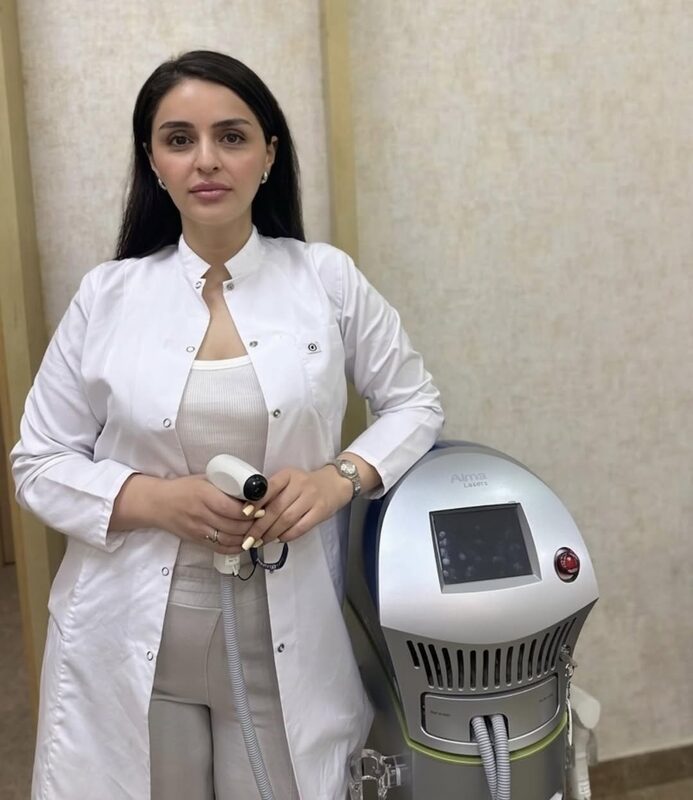
Dermatologist (MD)
2017 · Donetsk National Medical University · +1 cert.
Languages: Russian, Azerbaijani
Cosmetologist (MD)
2019 · Yaroslavl Medical University · +1 cert.
Languages: Russian, Azerbaijani