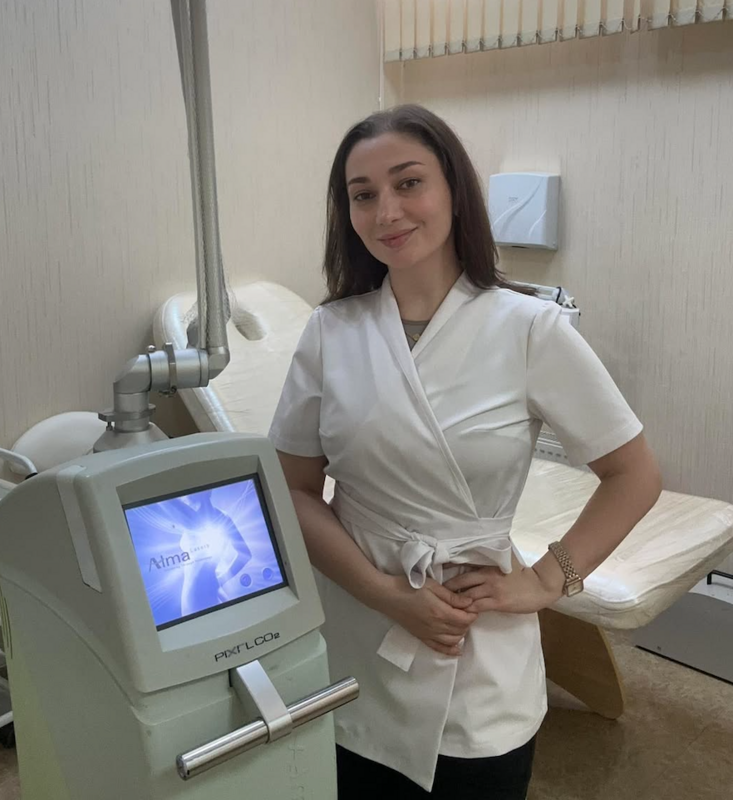
Simona Muradova
Cosmetologist (MD)
2019 · Yaroslavl Medical University · +1 cert.
Languages: Russian, Azerbaijani

Short honest answer: we don't perform laser hair removal during pregnancy or active lactation. This is a standard relative contraindication at every reputable clinic. Below — why, what medicine says, and when the procedure can be resumed.
Leave your contact details, and our specialist will contact you for a consultation and booking.
By clicking 'Send', you consent to the processing of personal data in accordance with our privacy policy.
During pregnancy laser hair removal is considered a *relative* contraindication — not because there's proven harm to the fetus, but because there are no large clinical safety studies and there are several objective risk factors (hormonal skin changes, increased sensitivity, stress response). At Paramed we don't perform laser hair removal in pregnancy or the first months of active breastfeeding. After lactation ends and the hormonal background stabilizes — a course can be started or resumed. Contraindications apply, consultation required.
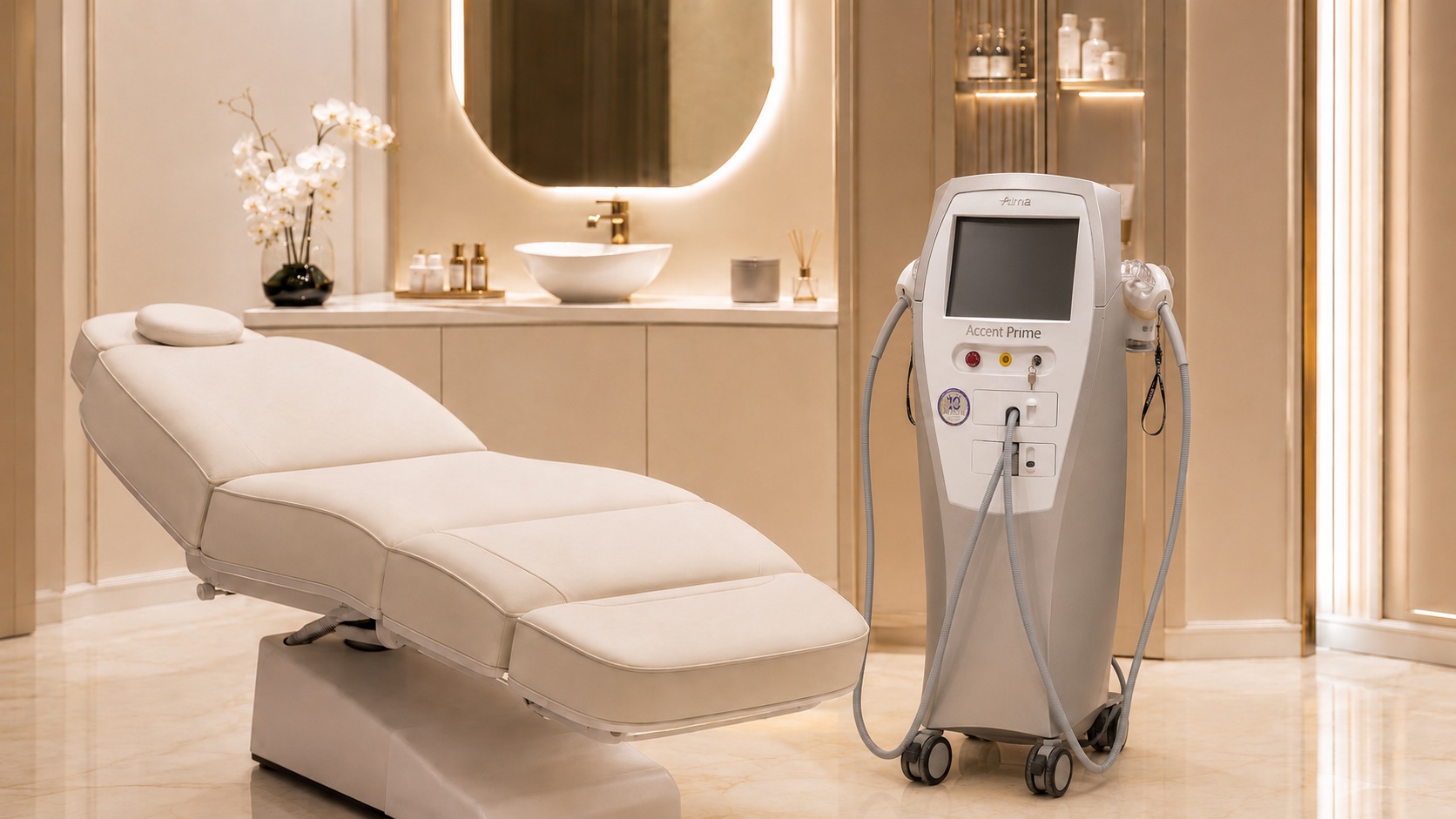
Paramed uses original Soprano ICE, Platinum and Titanium platforms by Alma Lasers (Israel), with original handpieces and safety-first protocols.
After delivery: with no active lactation — 1–2 months after the menstrual cycle returns. With active breastfeeding — after lactation ends (some clinics work during BF under specific conditions, but we prefer to wait). With hormonal issues — after stabilization. Before starting the course — mandatory consultation with skin assessment (melasma often requires separate correction before hair removal starts).
There is no proven direct harm from laser light to a fetus (light doesn't penetrate deeper than the skin and doesn't reach the uterus). But several objective reasons exist not to do laser hair removal during pregnancy: 1) hormonal changes often cause skin darkening (melasma), increasing post-procedure hyperpigmentation risk; 2) skin is more sensitive and recovers worse; 3) pain stress could theoretically cause discomfort; 4) hair growth during pregnancy is often temporarily enhanced and stabilizes only after delivery — laser "misses the target"; 5) legally and ethically — the absence of large studies in pregnant patients makes the procedure legally risky for the clinic.
If a partial course was running before pregnancy — we typically resume after an updated consultation. Hormonal changes may have altered hair density and type — protocol adjustment may be required. Standard course after stabilization: 5–8 sessions at 4–6 week intervals, with a 3 AZN test zone recommended as the first step to assess post-delivery skin reaction.
At Paramed — no. This is a standard relative contraindication at all serious clinics. There's no proven direct fetal harm, but the absence of large studies and hormonal skin risks make the procedure inadvisable until pregnancy and lactation end.
Don't panic — there's no proven harm to the fetus from one session. Laser light doesn't penetrate deeper than skin. Just stop procedures until pregnancy and lactation end, and inform your obstetrician.
In the first months of active breastfeeding — no. After 6 months + introduction of solids some clinics work with stable lactation, but we prefer to wait until lactation ends for predictable results.
Without active lactation — 1–2 months after the menstrual cycle returns. With BF — after it ends. Before start — mandatory consultation (post-partum melasma often appears and needs correction).
Shaving is the safest option. Gentle depilatory creams are also fine. Sugaring and waxing are acceptable but skin is more sensitive in this period.
Fully pause the course. After delivery and stabilization — repeat consultation. Protocol may need updating: hormones change hair density and type.
Yes — until pregnancy is confirmed there are no restrictions. After confirmation — we pause.
If you're planning a course after pregnancy or lactation — we'll be glad to help. Start with a 3 AZN test zone and an updated consultation to assess skin condition.
Book a consultation →Certified specialists at Paramed
Cosmetologist (MD)
2019 · Yaroslavl Medical University · +1 cert.
Languages: Russian, Azerbaijani
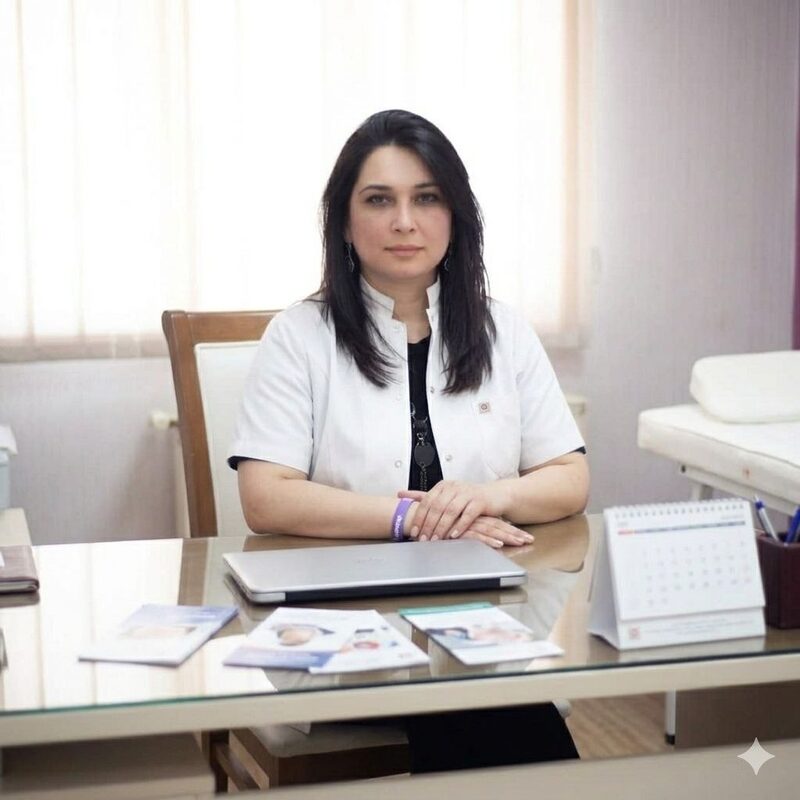
Cosmetologist (MD)
27+ years' experience
1997 · Azerbaijan Medical University · +1 cert.
Languages: Russian, Azerbaijani
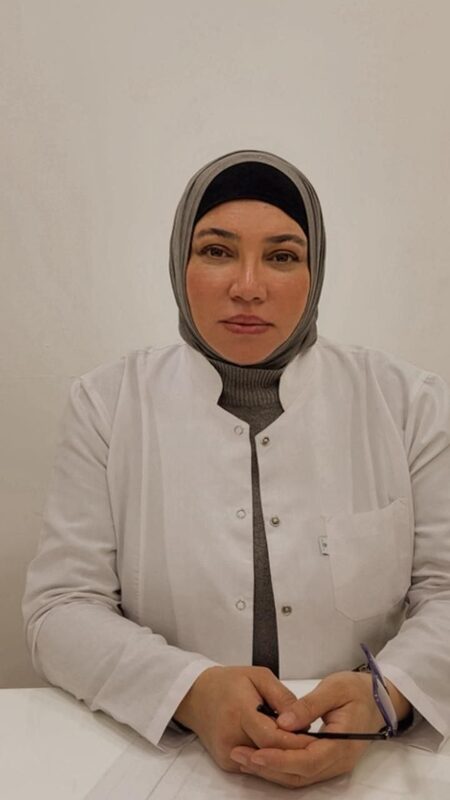
Cosmetologist (MD)
25+ years' experience
1999 · Azerbaijan Medical University · +1 cert.
Languages: Russian, Azerbaijani